

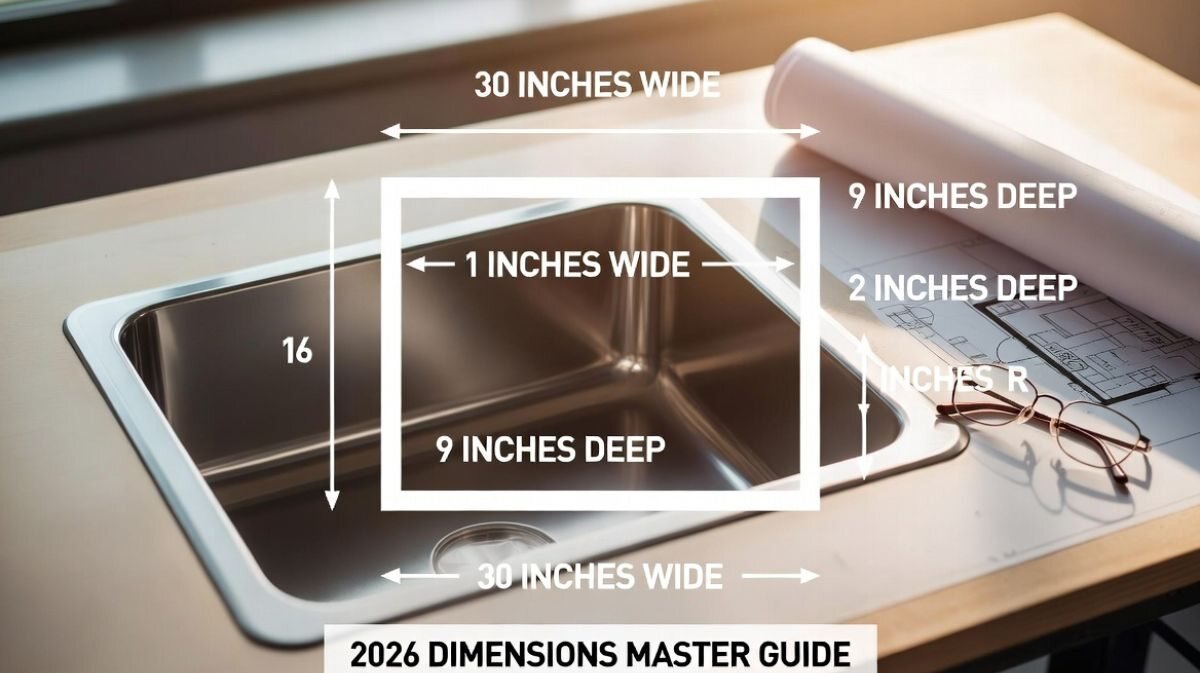
You pause the moment your new sink arrives and suddenly feels wrong. It looked perfect online. Now it does not fit your space. You ask yourself, did I miss something? That is where understanding kitchen sink dimensions starts to matter more than ever.
You feel relief when the confusion finally clears. Once you understand standard kitchen sink dimensions, kitchen sink sizes dimensions, and kitchen sink cabinet dimensions, everything clicks. You stop guessing. You start choosing with confidence, and your kitchen begins to make real sense.
What Are Standard Kitchen Sink Dimensions in the USA?
You relax when you see common sizes laid out clearly. In the USA, most sinks range from 18 to 36 inches wide. Depth usually sits between 8 and 10 inches. These standard kitchen sink dimensions fit most homes and simplify installation.
You make better choices when units match your tools. Inches are common here, though kitchen sink dimensions in cm and kitchen sink dimensions in mm help when reading specs. Knowing both avoids errors and supports accurate planning.
Standard Kitchen Sink Dimensions in Inches, CM, and MM Explained
You avoid confusion when you convert once and stick to it. For example, a 30-inch sink equals about 76 cm. That small step prevents mistakes and keeps your kitchen sink sizes dimensions aligned with cabinets and countertops.
Why Kitchen Sink Dimensions Matter for Your Space
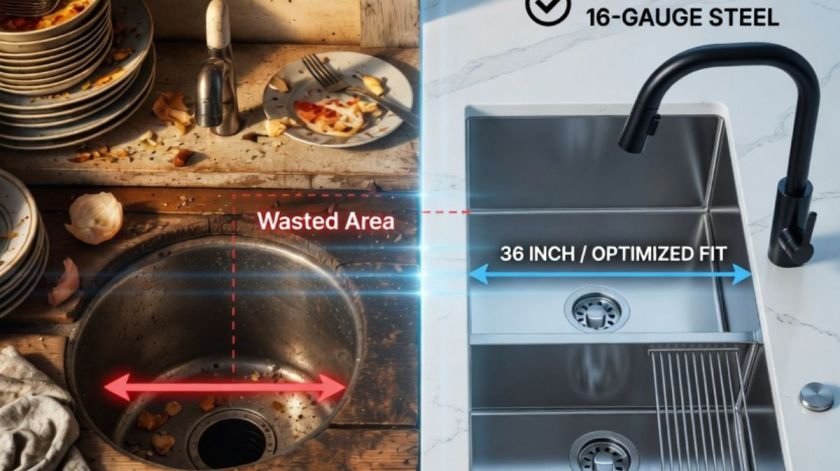
You notice the difference when your sink matches your routine. A tight sink slows prep and cleanup. The right kitchen sink dimensions improve workflow, reduce splashes, and keep your counter usable.
You feel the benefit during daily use, not just on install day. Proper sizing supports kitchen ergonomics, protects your back, and improves reach. It also ensures your faucet and accessories fit without crowding.
Common Kitchen Sink Sizes and Width Options
You feel clearer when sizes follow a simple pattern. Popular widths include 18, 20, 22, 24, 30, 33, and 36 inches. These kitchen sink sizes dimensions cover small to large kitchens with predictable fits.
You decide faster when you compare at a glance. The table below shows common widths with typical uses and cabinet pairings for kitchen sink cabinet dimensions.
| Sink Width (in) | Typical Use | Suggested Cabinet (in) |
| 18–22 | Compact spaces | 24–27 |
| 24–30 | Standard homes | 30–33 |
| 33–36 | Busy kitchens | 36–39 |
Kitchen Sink Depth and Height: What You Need to Know
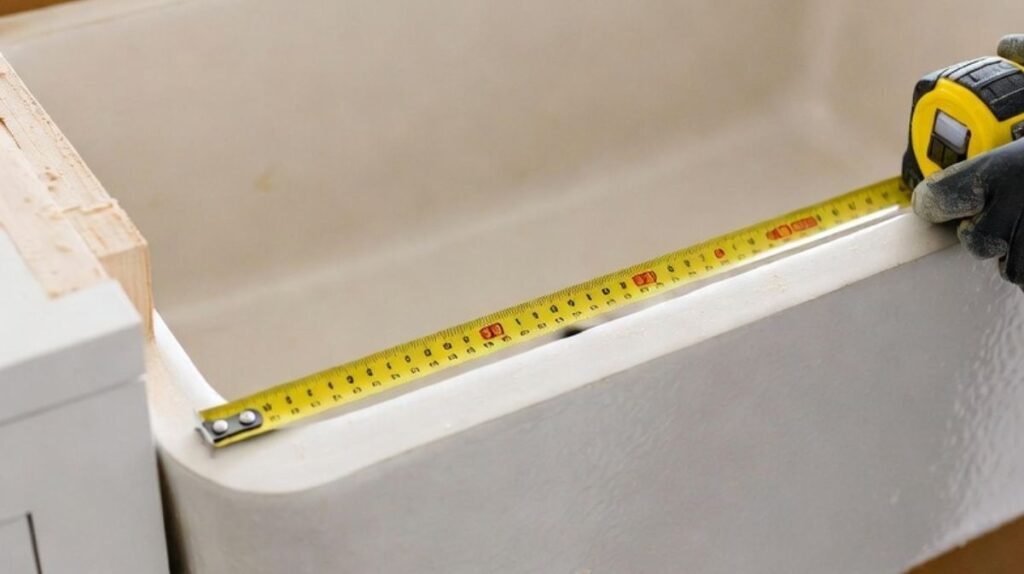
You feel relief when water stops splashing everywhere. Depth matters. An 8-inch bowl is easy on the back. A 10-inch bowl handles big pots. Balanced kitchen sink dimensions keep comfort and capacity in check.
You improve comfort when height aligns with your counter. Most counters sit around 36 inches. Matching kitchen sink depth and rim height reduces strain and supports smooth daily use.
Ideal Sink Depth for Daily Use and Comfort
You find your sweet spot by testing your habits. If you cook often, choose deeper bowls. If you value comfort, stay mid-range. This keeps kitchen sink sizes dimensions practical and personal.
Small vs Large Kitchen Sink Dimensions: Which One Fits Better?
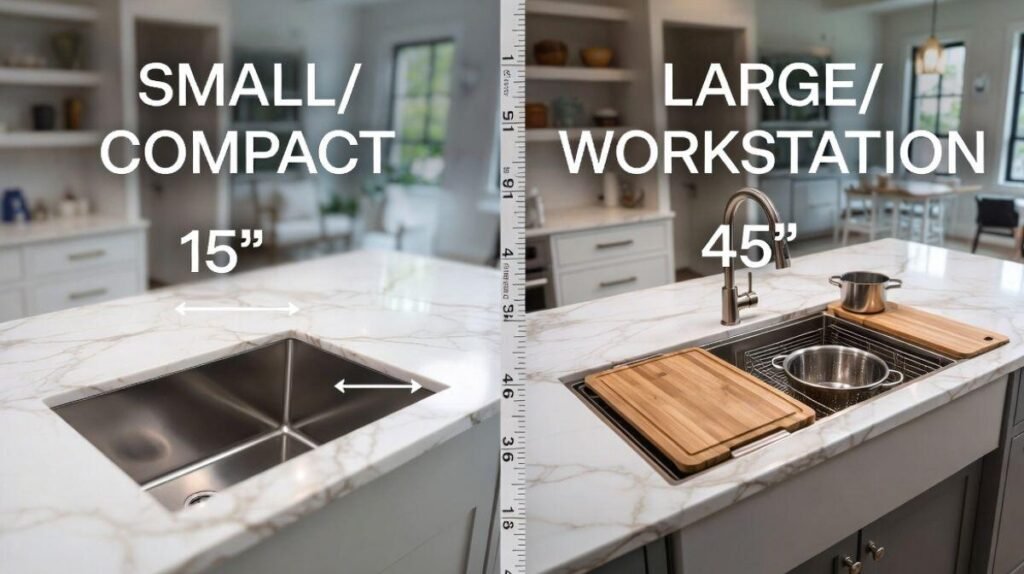
You feel tempted by bigger, but space sets the rules. Small kitchens benefit from compact sinks that protect prep areas. Larger kitchens can host wider basins without crowding.
You get balance when size matches layout, not trends. The right kitchen sink dimensions depend on cabinet width, counter depth, and daily use. This keeps function strong and clutter low.
Single Bowl vs Double Bowl Kitchen Sink Dimensions
You feel the difference the first time you wash a pan. Single bowls offer open space for large cookware. Double bowls split tasks and keep things organized.
You choose better when you match tasks to layout. Double kitchen sink dimensions often reach 33 to 36 inches. Single bowls can be smaller or wider depending on need.
Size Differences and Practical Use Cases
You simplify decisions by thinking in routines. If you rinse and stack, go single. If you wash and prep together, go double. This aligns kitchen sink sizes dimensions with real work.
Kitchen Sink Cabinet Dimensions and Installation Space
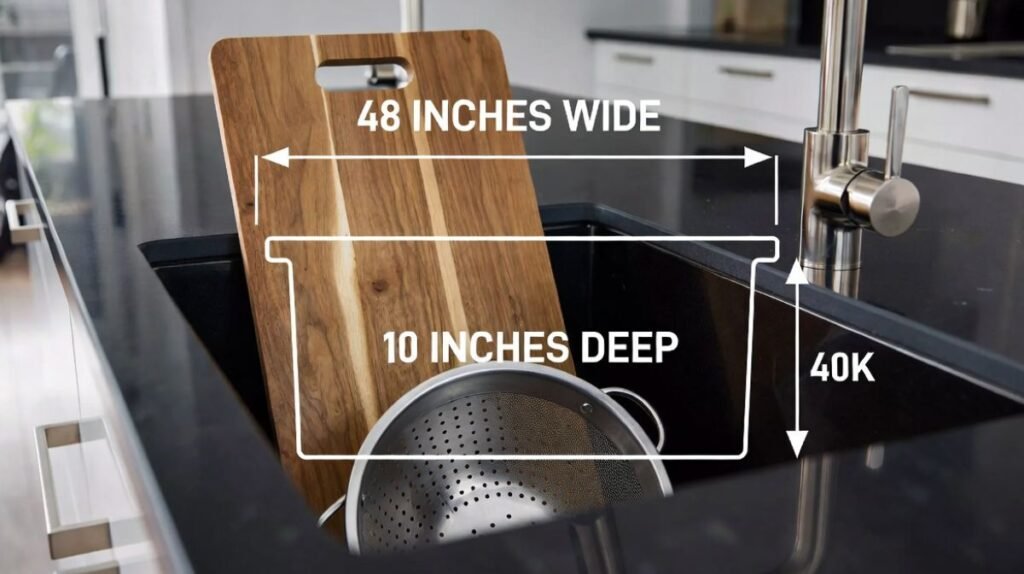
You avoid costly mistakes when cabinets come first. Your sink must fit the base cabinet. A 30-inch sink usually needs a 33-inch cabinet for safe clearance.
You keep installs smooth when you allow extra room. Proper kitchen sink cabinet dimensions ensure clips, plumbing, and edges fit without stress.
Minimum Cabinet Size Required for Different Sink Types
You plan smarter when you follow simple rules. Add 2–3 inches to sink width for the cabinet. This keeps standard kitchen sink dimensions compatible with real-world installs.
Types of Kitchen Sinks and Their Standard Dimensions
You see style and function meet in mounting types. Drop-in sinks rest on the counter. Undermount sinks sit below for a clean edge. Farmhouse sinks extend forward for deep access.
You pick faster when each type shows clear sizing. Each style follows familiar kitchen sink dimensions, with slight changes for rims and fronts.
Drop-In, Undermount, and Farmhouse Sink Sizes Explained
You avoid surprises by checking cutout specs. Undermounts need precise openings. Farmhouse units need cabinet support. This keeps kitchen sink sizes dimensions accurate from plan to install.
Double Kitchen Sink Dimensions for Modern Kitchens
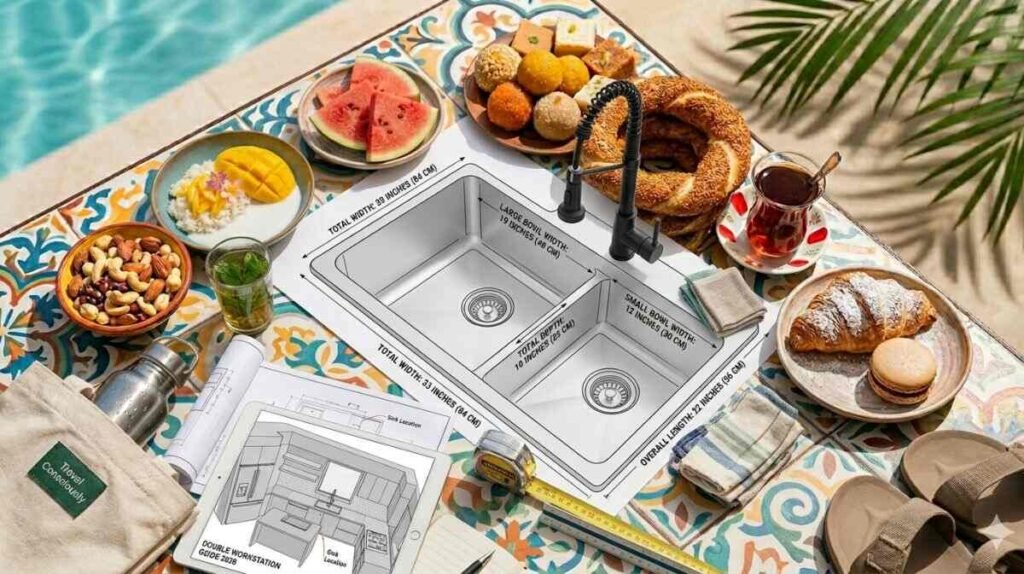
You feel organized when two bowls share the load. Double sinks often measure 33 to 36 inches wide. Bowl sizes may differ for flexible use.
You gain efficiency when tasks split cleanly. These double kitchen sink dimensions support washing, rinsing, and prep at the same time without mess.
How to Choose the Right Kitchen Sink Dimensions for Your Home
You feel confident when a simple method guides you. Measure your cabinet first. Then match sink width and depth. Consider faucet reach and accessories.
You decide faster when you focus on real needs. Budget, material, and layout matter. Align kitchen sink dimensions with daily habits to avoid regret.
Key Factors Like Size, Material, and Layout
You stay practical when choices connect to use. Stainless steel suits busy homes. Fireclay fits classic looks. Each option works best with proper kitchen sink cabinet dimensions.
For more home layout ideas, visit dailycottage and explore practical guides that fit real spaces.
Kitchen Sink Size Chart (Quick Reference Table)
You save time when one table answers many questions. Use this quick chart to compare common standard kitchen sink dimensions.
| Type | Width (in) | Depth (in) | Notes |
| Small | 18–22 | 6–8 | Compact kitchens |
| Medium | 24–30 | 8–9 | Most homes |
| Large | 33–36 | 9–10 | Heavy use |
Mistakes to Avoid When Measuring Kitchen Sink Dimensions
You avoid headaches when you double-check early. Common mistakes include ignoring cabinet size, forgetting faucet clearance, and misreading units.
You protect your budget by planning once. Correct kitchen sink dimensions prevent returns and rework. Careful measuring keeps the project smooth.
For installation standards and safety practices, see authoritative guidance like the National Kitchen and Bath Association (NKBA) at which explains layout principles used by professionals.
Final Thoughts on Choosing the Perfect Kitchen Sink Dimensions
You feel satisfied when everything fits the first time. The right kitchen sink dimensions bring comfort, efficiency, and clean design together.
You move forward with clarity and confidence. Focus on standard kitchen sink dimensions, verify kitchen sink cabinet dimensions, and match sizes to your routine. Your kitchen will work better every day.
FAQ: Kitchen Sink Dimensions
Q1: What are standard kitchen sink dimensions in the USA?
You feel confident when you know the basics. Most standard kitchen sink dimensions range between 22 to 36 inches wide and 8 to 10 inches deep. These sizes fit common kitchen layouts and make installation easier for most homes.
Q2: How do I choose the right kitchen sink size for my cabinet?
You avoid mistakes when you measure carefully. Your sink should be smaller than your cabinet by at least 2–3 inches. This ensures proper fit and supports safe installation with correct kitchen sink cabinet dimensions.
Q3: What happens if the kitchen sink is too big or too small?
You notice problems quickly when size is wrong. A large sink can crowd your counter space, while a small sink limits usability. Proper kitchen sink dimensions help balance function, comfort, and kitchen workflow.
Q4: Are deeper kitchen sinks better for daily use?
You feel the difference during cleaning tasks. Deeper sinks hold more dishes and reduce splashing. However, very deep sinks may cause discomfort. Balanced kitchen sink depth improves both comfort and efficiency.

Ryan West is an interior design consultant and home styling expert with an eye for modern aesthetics. From transforming cramped kitchens into culinary havens to mastering the art of minimalist home decor, Ryan shares actionable tips to help you create a space that feels like luxury, no matter your budget.